


 By Therapy Dolls
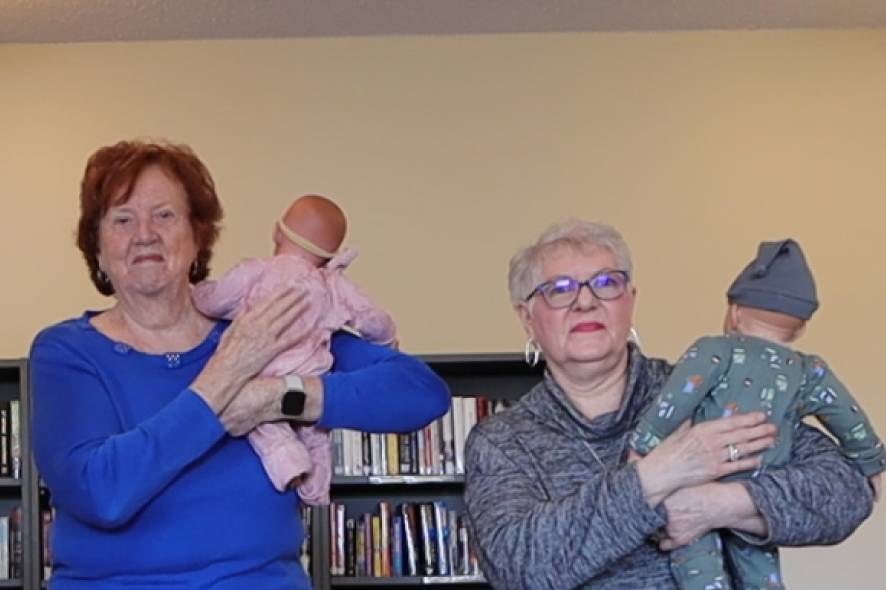
 Have you ever noticed how a firm hug can instantly cause your shoulders to drop and your breathing to slow? It is a universal human instinct to reach for comfort and hold something close when the world feels too loud, too chaotic, or too overwhelming.
Read more: Deep Pressure Stimulation (DPS): The Therapeutic Power of a Weighted Dolls
 By Therapy Dolls
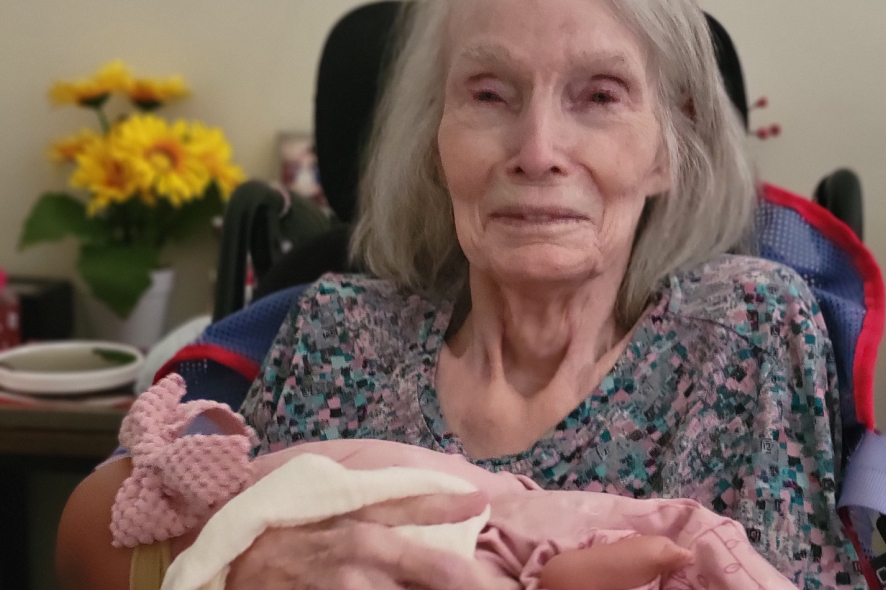
 One of the most difficult parts of treating residents in memory care units is finding meaningful ways to relieve the deep anxiety and agitation that comes with advanced dementia. Alongside music and art therapy, care communities are increasingly turning to realistic weighted companion dolls to provide comfort. For a family member or staff member, seeing these for the first time can spark an immediate protective instinct: Are we infantilizing this person? How can we introduce these new tools while still honouring the resident’s maturity?
 By Therapy Dolls
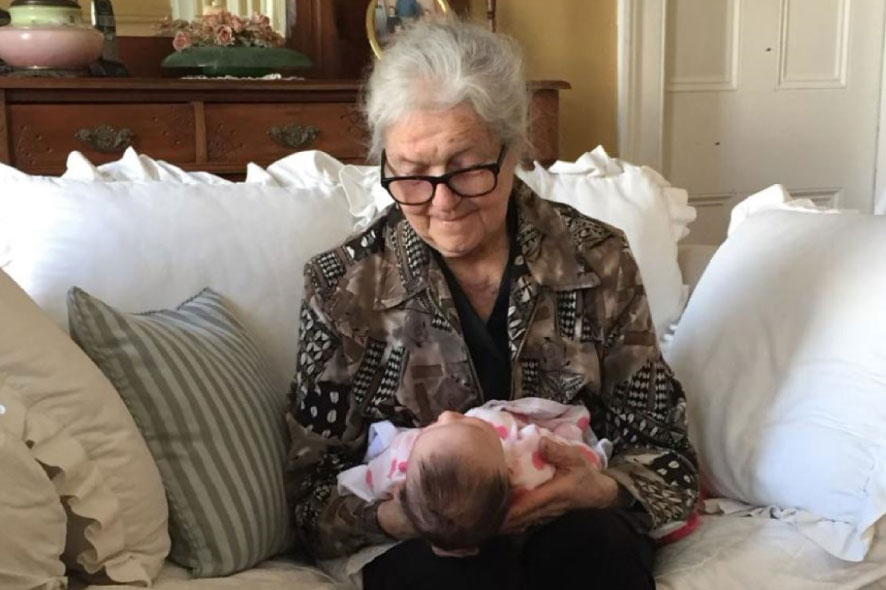
 Dementia currently affects more than 55 million people worldwide, impacting not only those diagnosed but also the families and caregivers who support them. The World Health Organization (WHO) emphasizes finding compassionate, non-pharmacological ways to improve daily quality of life.
 By Therapy Dolls
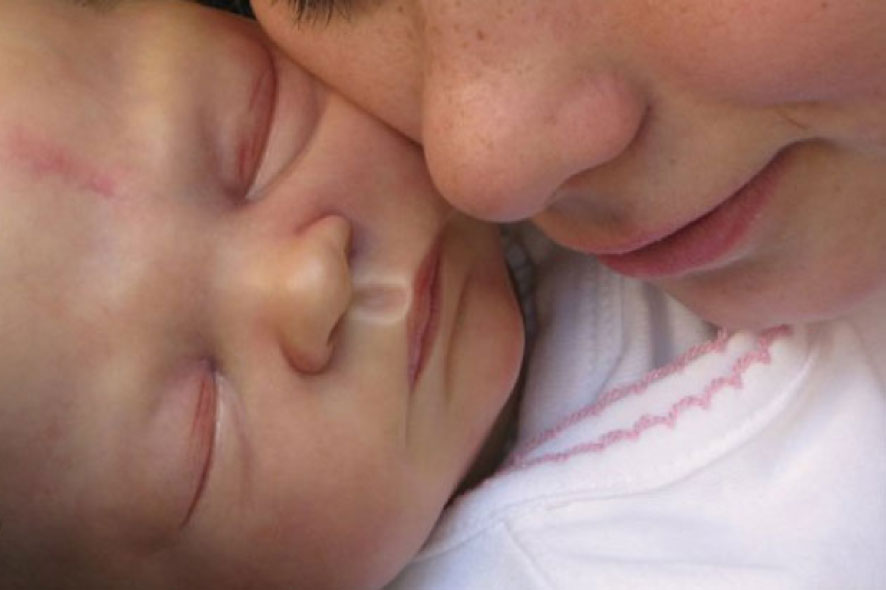
 Living with Post-Traumatic Stress Disorder can make everyday life feel intimidating for a child. When a little one experiences trauma, their survival instincts are constantly on high alert. Simple routines, sudden noises, or even a quiet moment in their bedroom can trigger overwhelming memories, intense anxiety, and physical agitation. In these heavy moments, a child needs more than just comforting words. They also need a reassuring, physical reminder of safety before their nervous system can truly settle.
Read more: Weighted Therapy Dolls Helping Children with PTSD
 By Therapy Dolls
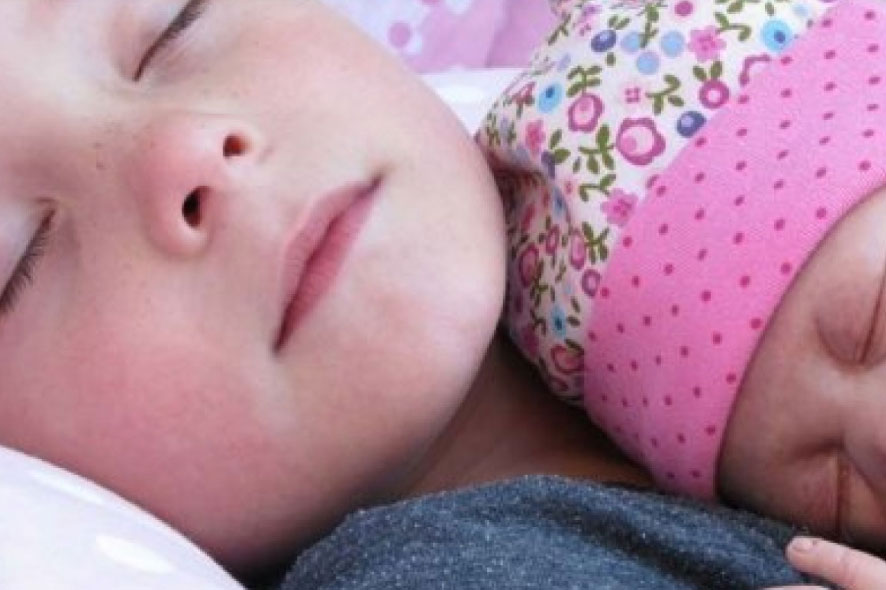
 As parents, we know that the world isn’t always designed with neurodivergent needs in mind. For an autistic child, daily life can often feel like an overwhelming blur of intense sounds, bright lights, and sudden disruptions. In a society that feels this unpredictable, having routines and familiar comforts isn’t just a preference, it’s a necessity for emotional safety.